
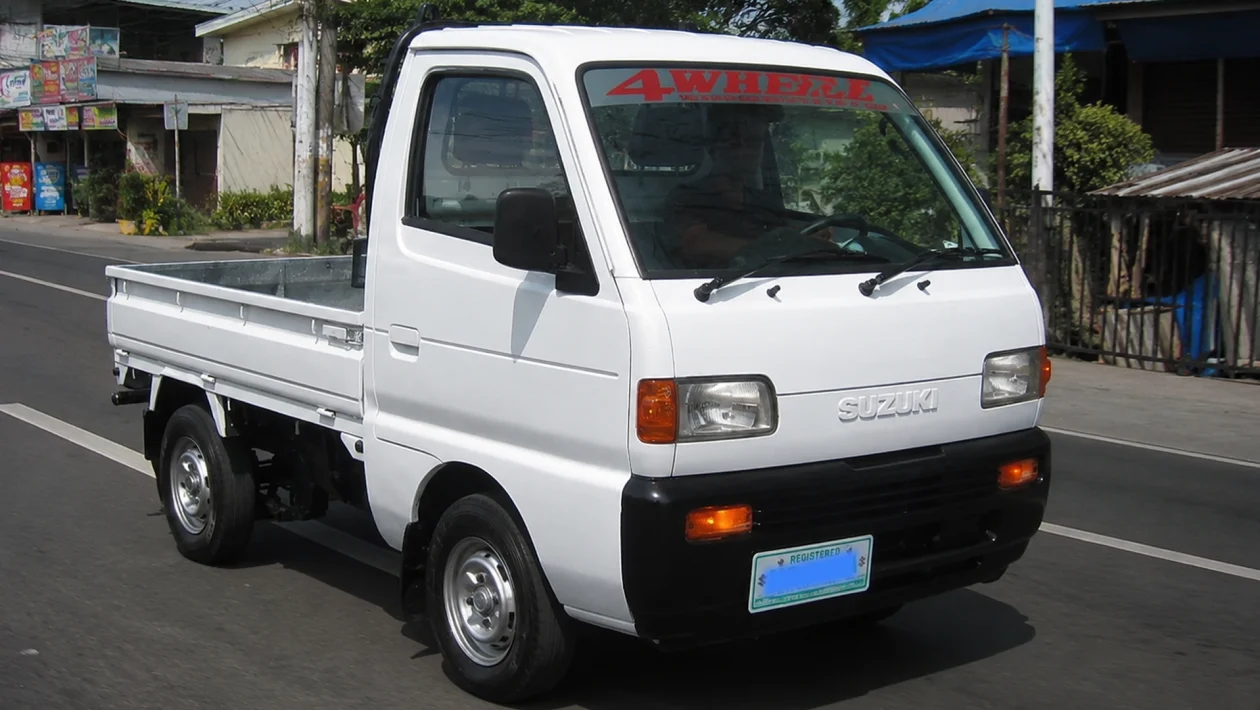
The most common Suzuki Multicab problems include overheating, hard starting, weak engine power, carburetor issues, electrical faults, clutch problems, brake issues, suspension noise, and rust. Most of these problems are manageable because the Multicab is simple, affordable to repair, and easy to maintain, but neglected units can become costly fast.
Is the Suzuki Multicab Reliable?
The Suzuki Multicab can be reliable if it is properly maintained. The issue is not always the vehicle itself. Many units are surplus, old, converted, or previously used for hauling, delivery, farming, or rough daily work.
This is why two Multicabs can feel completely different. One may start every morning without drama. Another may overheat, stall, or lose power because the cooling system, carburetor, wiring, or clutch was ignored for years.
Common Suzuki Multicab Engine Problems
1. Hard Starting
Hard starting is one of the most common complaints among Multicab owners.
Possible causes include:
- Weak battery
- Dirty spark plugs
- Faulty ignition coil
- Carburetor problems
- Clogged fuel filter
- Weak fuel pump
- Poor engine compression
Start with the basics before replacing expensive parts. Check the battery, spark plugs, fuel delivery, and ignition system first.
2. Engine Stalling
A Multicab that starts but suddenly dies may have a fuel, air, or ignition issue.
Common causes include:
- Dirty carburetor
- Incorrect idle adjustment
- Vacuum leak
- Weak fuel supply
- Bad spark plug wires
- Loose electrical connection
This problem often appears when the engine is cold, when idling, or when the aircon is turned on.
3. Weak Engine Power
A Suzuki Multicab may feel underpowered when carrying passengers, climbing hills, or running with aircon.
Possible causes include:
- Dirty air filter
- Clogged fuel filter
- Worn clutch
- Carburetor tuning problem
- Low compression
- Overloaded vehicle
- Incorrect tire size
- Dragging brakes
A small engine will naturally struggle when overloaded, but sudden power loss usually means something needs checking.
Suzuki Multicab Overheating Problems
Overheating is one of the problems you should not ignore.
Common causes include:
- Low coolant level
- Radiator leak
- Clogged radiator
- Faulty radiator cap
- Broken cooling fan
- Bad thermostat
- Weak water pump
- Air trapped in the cooling system
- Damaged head gasket
If the temperature gauge rises, stop driving as soon as it is safe. Continuing to drive while overheating can damage the cylinder head or head gasket.
Carburetor and Fuel System Problems
Many Suzuki Multicab units use carbureted engines, which means tuning and cleanliness matter.
Common symptoms of carburetor trouble:
- Rough idle
- Black smoke
- High fuel consumption
- Stalling
- Hesitation when accelerating
- Engine smells like fuel
- Hard starting in the morning
A dirty or poorly tuned carburetor can make a good engine feel weak. Cleaning and proper adjustment can solve many drivability problems.
Electrical Problems
Electrical problems are common, especially in older or rewired Multicabs.
Common signs include:
- Headlights dimming
- Battery draining overnight
- Starter clicking
- Signal lights not working
- Dashboard lights failing
- Fan not turning on
- Aircon electrical issues
- Loose or messy wiring
Because many surplus units have been modified or converted, wiring quality varies a lot. Poor wiring can cause repeat problems even after replacing parts.
Clutch and Transmission Problems
Manual Suzuki Multicabs can develop clutch and shifting problems over time.
Common symptoms include:
- Hard shifting
- Clutch slipping
- Grinding noise when shifting
- Clutch pedal feels too high or too low
- Vehicle revs but does not pull strongly
- Difficulty engaging reverse
Common causes include:
- Worn clutch disc
- Weak pressure plate
- Misadjusted clutch cable
- Low or old transmission oil
- Worn synchronizers
- Damaged release bearing
If the engine sounds strong but the vehicle barely moves under load, the clutch should be checked.
Brake Problems
Brake problems should be treated seriously, even if the vehicle still runs.
Common signs include:
- Soft brake pedal
- Brake pedal sinks
- Vehicle pulls to one side
- Squeaking or grinding noise
- Handbrake not holding
- Brake fluid leak
- Weak braking when loaded
Common causes include worn brake pads, leaking wheel cylinders, old brake fluid, air in the brake lines, or worn drums and rotors.
Suspension and Steering Problems
A Multicab used for hauling or rough roads can develop suspension noise faster.
Common symptoms include:
- Kalampag noise
- Uneven tire wear
- Steering vibration
- Loose steering feel
- Vehicle pulling to one side
- Bouncy ride
- Squeaks when turning or passing humps
Possible causes include worn ball joints, tie rods, bushings, shock absorbers, wheel bearings, or leaf spring components.
Body Rust and Chassis Problems
Rust is common in older Multicabs, especially units exposed to rain, coastal areas, farm use, or poor repainting.
Check these areas:
- Floor panels
- Wheel wells
- Door bottoms
- Underbody
- Chassis mounting points
- Cargo bed
- Windshield edges
- Battery tray
Surface rust is manageable. Structural rust is a bigger issue and should affect the buying decision.
Aircon Problems
Aircon issues are common because many Multicabs have older systems or aftermarket installations.
Common symptoms include:
- Weak cooling
- Aircon cools only while moving
- Aircon stops when idling
- Loud compressor noise
- Engine power drops badly when aircon is on
- Fan not working
- Water leaking inside the cabin
Possible causes include low refrigerant, dirty condenser, weak fan, compressor issue, clogged evaporator, or incorrect idle adjustment.
Should You Still Buy a Suzuki Multicab?
A Suzuki Multicab can still be worth buying if you want a simple, affordable, practical vehicle for short trips, small business use, light hauling, or local transport.
Buy one if:
- You want low-cost repairs
- You have access to a good mechanic
- You need a practical small utility vehicle
- You are okay with basic comfort
- The unit has a clean body and healthy engine
Avoid one if:
- The engine overheats
- The chassis has heavy rust
- The wiring is messy
- The unit has weak brakes
- It has no repair history
- It was poorly converted
- The seller refuses inspection
Suzuki Multicab Problem Diagnosis Table
| Problem | Common Cause | First Thing to Check |
|---|---|---|
| Hard starting | Battery, spark plugs, carburetor, fuel supply | Battery and spark plugs |
| Overheating | Radiator, fan, coolant leak, thermostat | Coolant level and fan |
| Weak power | Dirty filter, clutch slip, carb tuning | Air filter and clutch feel |
| Stalling | Carburetor, idle setting, vacuum leak | Idle and fuel flow |
| Brake weakness | Worn pads, leak, air in brake lines | Brake fluid and leaks |
| Steering noise | Ball joints, tie rods, bushings | Front suspension parts |
| Battery drain | Wiring fault, alternator, accessories | Charging voltage |
| Aircon weak | Low refrigerant, fan, compressor | Condenser fan and refrigerant |
Maintenance Tips to Prevent Suzuki Multicab Problems
- Change engine oil regularly
- Keep the radiator clean
- Check coolant level weekly
- Replace old fuel and air filters
- Clean or tune the carburetor when needed
- Inspect wiring for loose connections
- Check brake fluid and brake pads
- Grease suspension parts if applicable
- Do not overload the vehicle
- Fix overheating immediately
- Inspect rust before it spreads
Final Verdict
Most Suzuki Multicab problems are fixable, but the condition of the specific unit matters more than the model itself. A well-maintained Multicab can be cheap, useful, and dependable. A neglected one can become a cycle of overheating, wiring issues, brake repairs, and engine problems.
The safest move is simple: inspect the cooling system, engine health, brakes, wiring, clutch, suspension, and rust before buying or spending money on upgrades.